
Ella Aboutboul, UK

Wanda Amos, Australia

Maxianne Berger, Canada
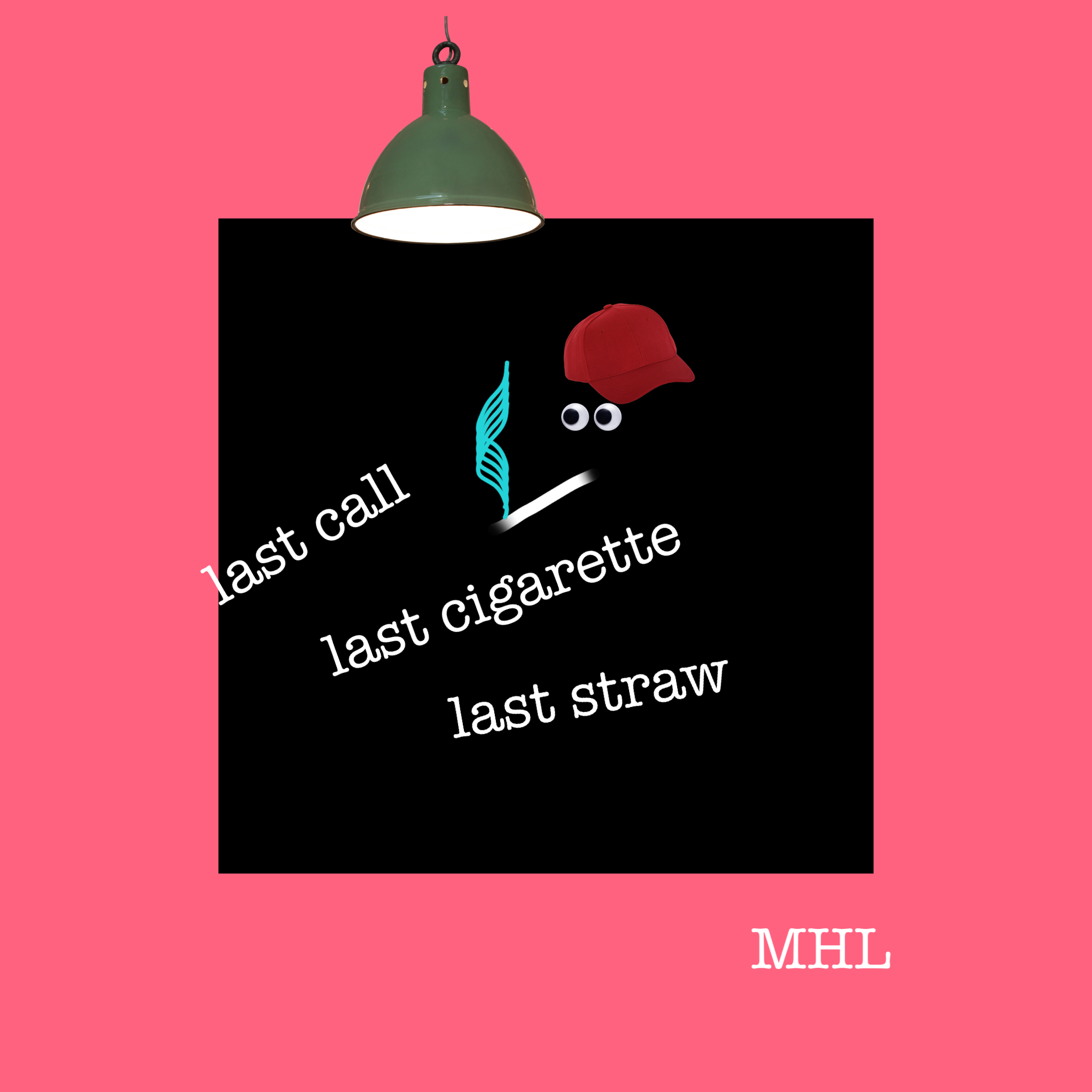
Michael Henry Lee, USA
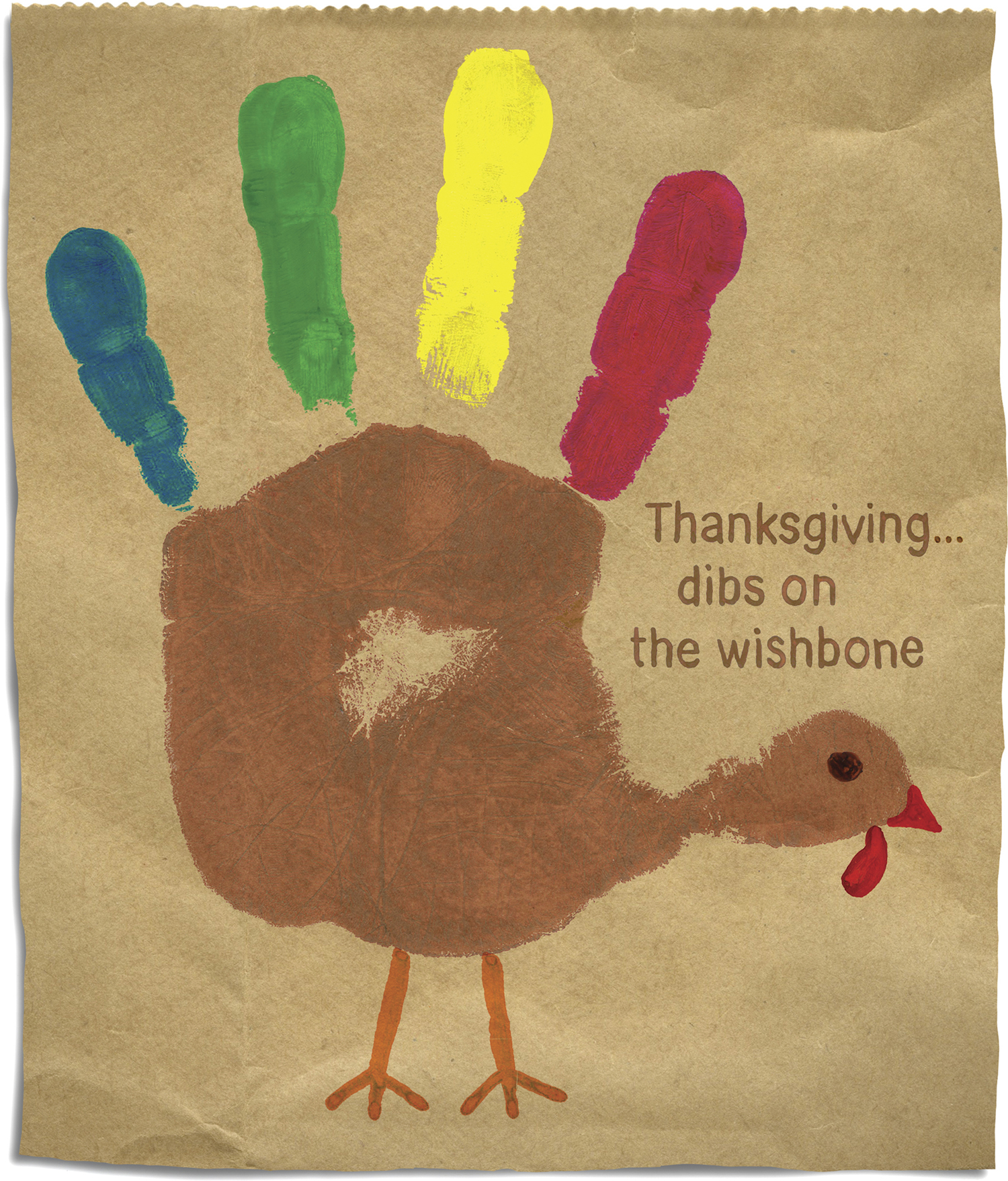
Christopher Patchel, USA
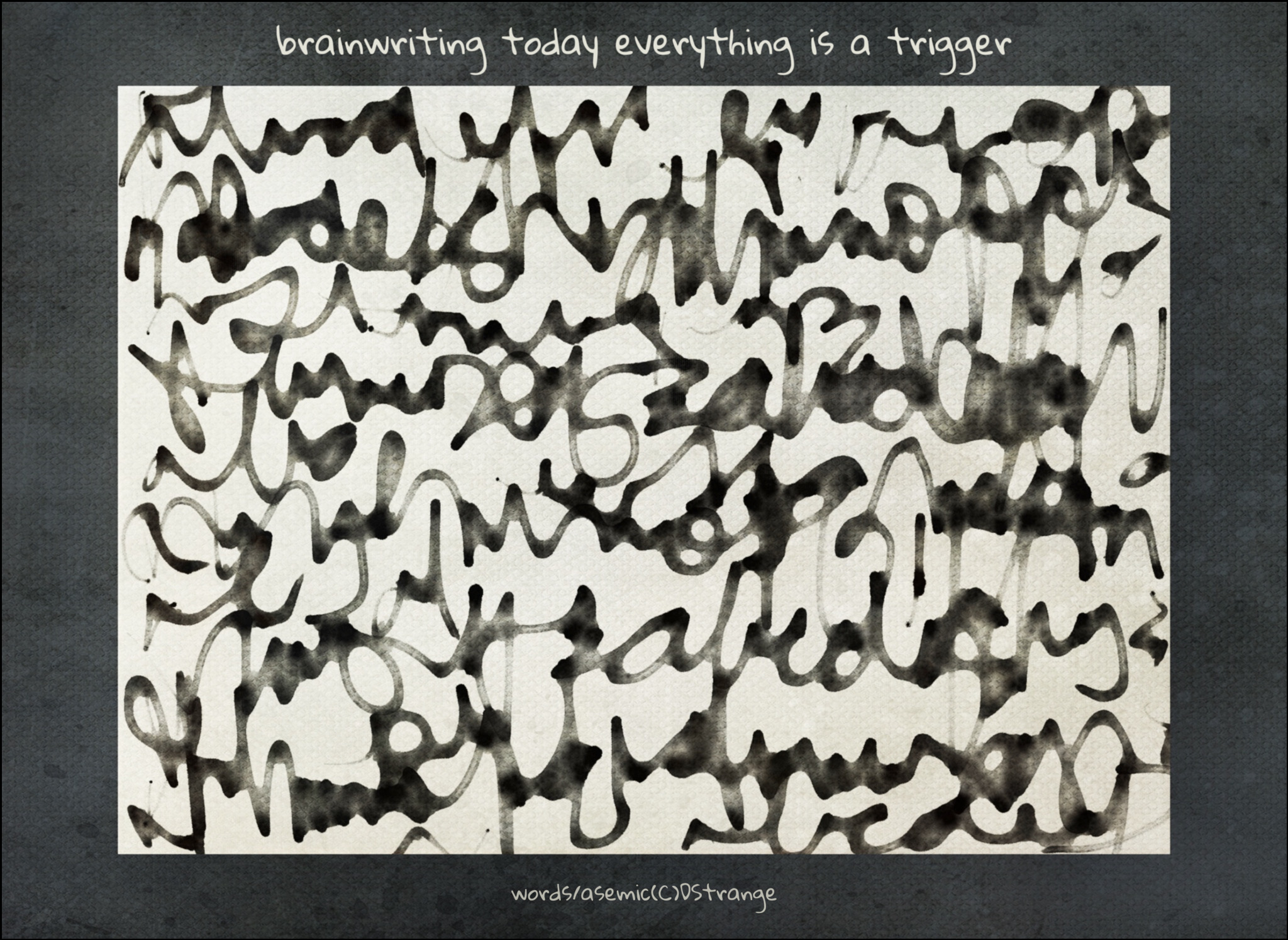
Debbie Strange, Canada
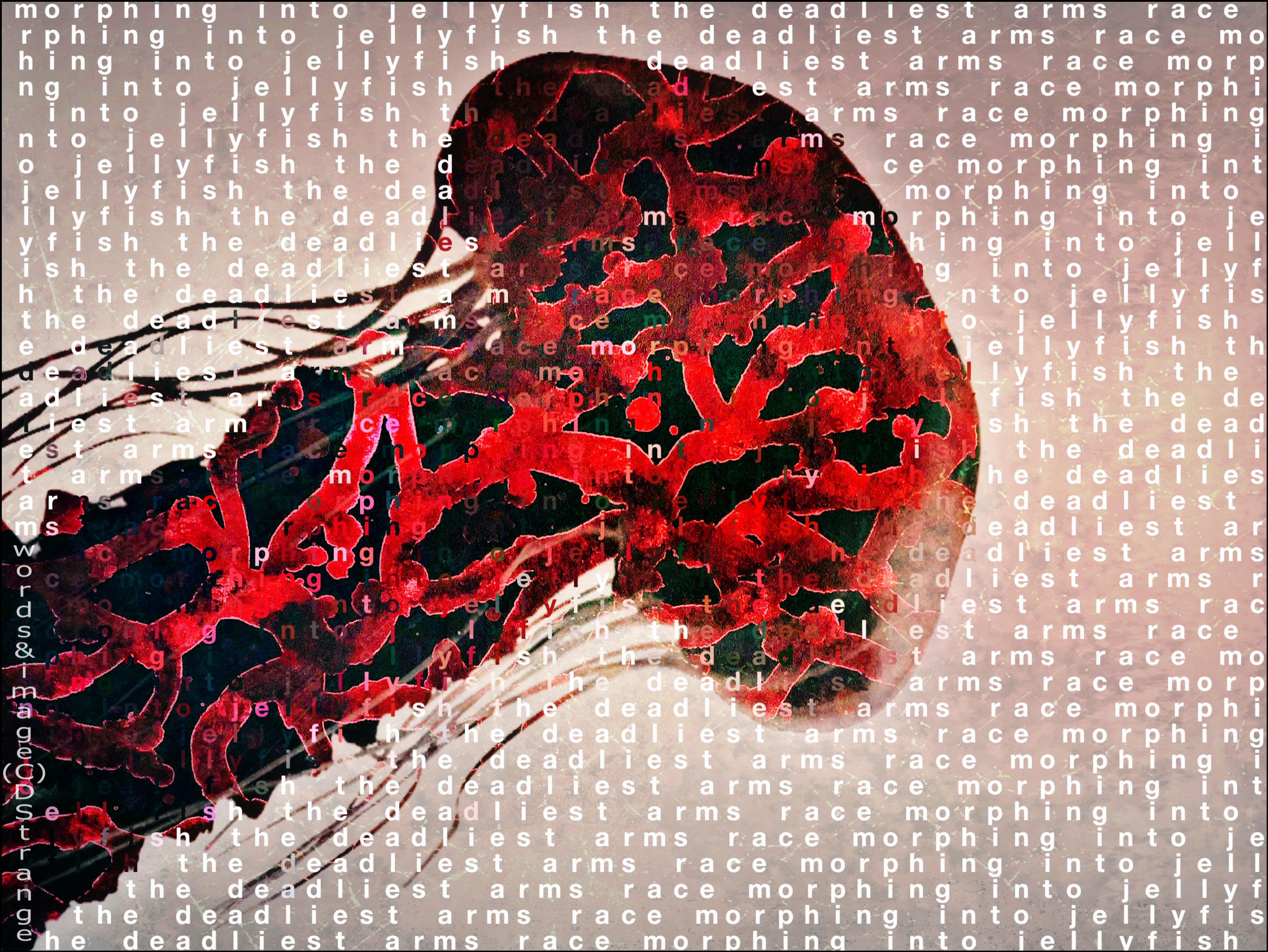
Debbie Strange, Canada

Debbie Strange, Canada

Ella Aboutboul, UK
Wanda Amos, Australia
Maxianne Berger, Canada
Michael Henry Lee, USA
Christopher Patchel, USA
Debbie Strange, Canada
Debbie Strange, Canada
Debbie Strange, Canada
Each new issue of Prune Juice features a best-of-issue senryu chosen by one of the co-editors.
lovebirds
a little boy
with a stone
Robert Witmer, Japan
Since taking the helm of the journal, the new editorial team of Prune Juice has marvelled at the fine quality of the submissions received. Issue #41 was no exception. We’ve curated poems that promise to delight, challenge, amuse, nudge, and inspire. Selecting the standout senryu among such a remarkable collection is a daunting task.
As I immersed myself in the draft of this issue, Robert Witmer’s senryu lovebirds refused to go dark each time I closed the lid of my laptop to attend to my day. This poem was with me in the shower, on my way to work, and as I walked by the elementary school animated with children in the playground. In the evening, I’d read this poem between the lines of wars and rumours of wars in the news.
I am captivated by the simplicity and timelessness of this senryu, the subversive surprise of its third line, and the space it leaves for the reader. Remarkably, there is no action in the poem. At all. Not a single verb. Just a pair of lovebirds and a boy. And a stone. A stone that may or may not unite the destinies of the characters, much like the snowball in Robertson Davies’ novel Fifth Business, which, when packed with a stone, triggers a chain of events leading to the eventual demise of the boy who threw it along with his unintended target.
Witmer’s senryu places us on the precipice of potentiality, creating palpable tension. In this liminal space between now and not yet, questions beyond the immediate “will he or won’t he” arise. The poem prompts contemplation on the origin of our dark compulsions, the reasons behind our turn to violence, and the need for transformation from an “I/It” to an “I/Thou” mindset.
The conclusion of this brief story remains elusive, as the questions it raises mirror the enduring quandaries we grapple with in our shared human narrative. In a time when the world calls for reflection on what it means to be human and to coexist with all sentient beings, Witmer’s senryu invites that challenging conversation.
For these reasons and more, this poem is a deserving recipient of the Best of Issue award for Issue #41. Thank you, Robert Witmer, and congratulations on this well-earned recognition!
P. H. Fischer, Co-Editor
December, 2023
will
read to heirs
in the syntax of hail
Dennis Andrew S. Aguinaldo, Philippines
hiding
our estrangement
filigree window
Wanda Amos, Australia
dna results
tonight I run
with the foghorns
Myron Arnold, Canada
forever
searching
for
beginnings
Scotch
tape
travel agency
beside the spinning globe
a lone goldfish
Ingrid Baluchi, North Macedonia
early menopause
dry leaves fall
into my lap
Hifsa Ashraf, Pakistan
famished between breaths a star posing as dead
beyond body the after-gloom reeking of genesis
Rowan Beckett, USA
ho
ho ho
the text reads
involuntarily committed
again
Jerome Berglund, USA
last view of the sea
from the prison bus
windsurfer
Steve Black, UK
Columbine: a perennial
Alan S. Bridges, USA
—later
the sword swallower
brushes his teeth
Gordon Brown, USA
love?
after sex
with an alien
his tentacles
still inside me
cat’s eye moon his affairs with thing 1 & thing 2
Susan Burch, USA
opening remarks
at the county meeting
lizard pushups
Alanna C. Burke, USA
fruitcake recipe
Mom’s last ingredient
an etc.
Thomas Chockley, USA
halfway vegan
the meat
on my breath
Elan Chogan, USA
second marriage—
growing into
hand-me-downs
Mary Ann Conley, USA
baby shower
a rain of
gifs
Shane Coppage, USA
snowman
a homeless guy eats
the carrot nose
William Cullen Jr., USA
social
media
feeds
the
need
for
silence
Timothy Daly, France
grandson’s questions . . .
my mother mobilizes
all her wrinkles
re-fastening the tie
of my dripping umbrella . . .
psychologist’s office
Maya Daneva, The Netherlands
backstage
her whole body sings
the blues
wants vs. needs
the hoarder’s
blank face
Pat Davis, USA
waking to her warmth
distant trucks
on the interstate
M F Drummy, USA
democratic elections
the crowd chooses
Barabbas
Keith Evetts, UK
for good luck
I wear my Everest t-shirt
pulmonary lab
Bruce H. Feingold, USA
mama clouds
the softness
still inside
the little strip
that keeps her alive
allotment garden
Katja Fox, UK
ghosted again
the herky-jerky descent
of a spider
Lisa Gerlits, USA
after rehab
this strange tenderness
of my parents
Alexander Groth, Germany
stuffed lion
on my bed
he comes anyway
Shasta Hatter, USA
his approximation of love statistically
Patricia Hawkhead, UK
worm castings the shit we go through
Kerry J. Heckman, USA
nursing home
her restraints more visible
than mine
Robert Hirschfield, USA
should you clip my rorschach’s wings
making
its own weather
hearsay
Jonathan Humphrey, USA
performative exuberance a convocation of falutins
Peter Jastermsky, USA
cactus bloom
gentle words
are an option too
Ravi Kiran, India
frugal to the end
he chooses
pine
Kim Klugh, USA
bloomless orchid
she’s sorry I feel
that way
Kimberly Kuchar, USA
friday morning
a few dates
in my blender
K.G. Munro, Scotland
kodokushi every single star
Eva Limbach, Germany
back to school this year’s forever war
Eric A. Lohman, USA
leftovers
papa seasons
the grace
Bob Lucky, Portugal
hi!
hiya!
hyacinth!
olive tray
she picks
the lonely one
Mary McCormack, USA
empty nest
I give the cat
a little wave
Laurie D. Morrissey, USA
thigh-high meadow
naming the monster
that made it rustle
car track
our son practices
his road rage
Ben Oliver, England
the whites
of his lies
stump speech
Roland Packer, Canada
nurses’ station
the crossword puzzle
always unfinished
John Pappas, USA
softening my otherness in Rome
Madhuri Pillai, Australia
changing the channel
from the news
to pro-wrestling
I grapple with
not growing up
Dave Read, Canada
don’t text back I love you
Bryan Rickert, USA
midnight diner
an extra chair
for my demon
Jenn Ryan-Jauregui, USA
just in time
for Independence Day
an imaginary enemy
Julie Schwerin, USA
negating the pre-programmed self red yellow blue
Shloka Shankar, India
first time everything in pianissimo
Raghav Prashant Sundar, India
the hard ch’i of Santōka’s heels
Patrick Sweeney, USA
secret recipe
the meal she makes
out of passing it on
Herb Tate, UK
blood moon suddenly she matters
Elisa Theriana, Indonesia
red envelopes
her middle-aged kids
get lucky dollars
Richard Tice, USA
how many spoons
for this meal
autism
C.X. Turner, UK
prairie wind
a herd of buffalo
becoming dust
Joseph P. Wechselberger, USA
suburban growth—
the Cascade View apartment
blocks the view
Michael Dylan Welch, USA
boa
what started
as a hug
Mike White, USA
lovebirds
a little boy
with a stone
Robert Witmer, Japan
Haibun
Wishing Well
A woman I know leaves her husband of over 50 years, a man who’s needed leaving for at least that long. I offer congratulations and support, tell her I always thought we might have been friends, if not for him. It’s as though she’s woken from a long enchantment. For the first time, I feel her unique presence, one not defined by deflecting his outbursts and cleaning up his messes.
This is my dream for her, made manifest in the wishing well of night.
She’ll never wake up.
nonstick skillet
scraping by
with chemistry
Cynthia Anderson, USA
“malice aforethought” it was titled
Thinking back to that screenplay my father laboriously drafted after he divorced my mom, based on a newspaper article he’d clipped and carefully preserved, about an attorney whose marriage sours so he proceeds to hire a hitman who kills his wife . . . Never read too much into that before, but in light of current events and new developments, I now have to wonder about the wunscherfüllung one ascribes to dreams. He rewrote draft after draft, even hired a script doctor at some expense, but never could manage to get the ending quite right, luckily, and ultimately abandoned the project.
buried gas line
semi’s persistent
turn signal
Jerome Berglund, USA
Ignominy
Summer holiday, hooking grass on the hospital grounds and rounding up peacocks when they decide to roost on matron’s stoop. It’s hard work but working the wards are trainee nurses, visiting from Sweden. What more could a young guy want?
Bent low, I chop my sickle through a clump of grass and an angry mouse sinks its teeth into my wrist. Better get a tetanus shot. Arriving in ER, I’m confronted by a formidable Irish nursing Sister who may well have served in the casualty tents of WWII.
“What’s wrong with you?”
“Got bitten by a mouse!”
“Well, that’s a first! I’ll give you a shot.”
By now a few of my Swedish girlfriends have gathered for the fun.
“Okay, I’ll roll up my sleeve.”
“Oh no you won’t,” says Sister. “Drop ߴem!”
Red-faced, I oblige, trying my best at a manual fig-leaf. Much giggling from the gallery.
Sister steps back and hurls that needle in like a pub darts champion. I grimace in pain to squeals of laughter.
“Well now, m’lad, you’d best hitch ߴem up and get back to work.”
My summer love life hasn’t quite been the same after that, what with quips like, “No thanks, I’ve seen what you’ve got to offer!” Perhaps that’s what Sister had in mind all along.
beneath her habit
a rosary
and a wicked way
Bryan D. Cook, Canada
Sentient Beings
A stink bug crawls slowly up my small, bronze figure of Guanyin, over her knee, pauses a while on the water vase, crosses the willow branch in her left hand and, finally, rests on the crown of her head.
I haven’t the heart to kill it.
alternate nostril breathing
a gnat clears
my 7th chakra
Terri L. French, USA
Sheer Nonsense
Do women even wear them anymore? My mother’s pantyhose came out of the package with the perfect Betty Grable shaped legs. As they were prone to snags and runs, clear finger-nail polish was a staple in every woman’s pocketbook. Nail polish and pantyhose manufacturers must have been in cahoots.
As a teenager I couldn’t wait to shave my legs and wear pantyhose. Unfortunately, my mother saw fit to allow me to do the latter first, which was a bit unsightly and not at all the look I was going for. My first pair of pantyhose came in an egg purchased at the drug store, because everyone knows, like chicken, pantyhose are hatched. I wore size A, which supposedly fit women from 4’10” to 5’7” and from 85 to 150 lbs (give or take a couple inches and pounds). They came in six shades—suntan (perfect for summer), nude (for winter or particularly pasty women), taupe (a pink/brown color not seen on any human being other than nurses), coffee (for women of color or those prone to spilling their morning brew), navy (I have no explanation for that one) and off-black (reserved for cocktail parties and funerals).
Mothers taught their daughters the delicate art of putting on pantyhose. First, make sure you lotion your hands. Rough hands and pantyhose are not friends. Then, delicately gather one leg up and place your foot (which has also been lotioned—why is this bringing to mind a scene from Silence of the Lambs? I digress—into the reinforced toe of the stocking, gently shimmying it up the leg; repeat with the other leg. Now, re-lotion the hands and smoothly run your palms up each leg, tugging ever so slightly at the top of the thigh to ensure there’s no loathsome crotch sag.
And the waistband? Forget about it. You suffered with it. Additionally, the seam from waist to what mother called “your privates,” left behind a squiggly line resembling a surgical scar. But hey, I suppose even the restricting “control top” pantyhose were better than wearing a girdle.
So, again I ask, does any woman wear these things anymore, and if so why? Burn those pantyhose and the eggs they rolled in on . . . in . . . ( whatever!) We’ve come a long way, baby.
1974
Joe Namath
cross-dresses
Terri L. French, USA
*Joe Namath Hanes “Beautymist” pantyhose ad.
Not Another Fish Story
One day last summer, after hearing that schools of bluefish were running close to shore, I decided to take my saltwater fly fishing outfit down to the beach. Over the years, I’ve done pretty well fishing from shore with my spinning rod, but fly fishing is still a bit of a mystery to me. As I was, yet again, untangling another wind knot from my leader, I noticed off in the distance a pair of large birds circling over the shoreline. At first glance, they looked like black-backed gulls, but as they moved closer, I could clearly discern the ruffled wing tips and wedged tails of raptors. When they were almost directly overhead, one of the birds suddenly dropped from the sky and splashed down about ten feet from where I was standing. A few seconds later, he emerged from the roiling water gripping a bluefish in his talons. The other bird, his mate, I presumed, greeted him with a piercing cry, and the pair flew off into the tree line at the top of the dunes.
Shortly after witnessing this incredible scene, I packed up my gear and headed home. My heartbeat was still racing when I walked in the door. My wife was puttering around the kitchen as I excitedly related my tale about being treated to an up-close view of the unbroken circle of life. When my story was done, she turned to me and said, “But did you catch any fish?”
searching
for the right word
summer kigo
Rick Jackofsky, USA
New World
The once rural rim of this coastal city may well tumble into the sea one day. But the slew of glass and concrete monsters that have arisen here over the last decade look set to prove the climate-change police paranoid.
All around, like so many growing tentacles, are roads teeming with shops, eateries, schools, hotels, and apartments. Wedged between them are hostels. Hundreds of them, for men and women from all over the country who oil the gargantuan wheels of this “happening” part of the city.
I slip into the grease, too, trying to find a few square feet of space.
“No single room, madam. Only three-, four-, or five-sharing.”
I step out of yet more cramped quarters into the setting sunlight. Backpacking young women are everywhere, talking into their cell phones, ID cards hanging from their necks. The young men are bunched around tea stalls smoking or munching on pakoras, crowding the narrow roads with their parked bikes.
Picking my way around potholes, and past a warm shawarma blast from a corner stall, I approach the next hostel on my list.
under the tossings
of a million wavelets
pearl oyster
Anju Kishore, India
50 years since her last protest
People with badges, waving banners. Mothers with strollers, nannas, retirees, dreadlocked students, office workers. Gathering to demonstrate against banks funding a foreign conglomerate to dig giant coal mines. We move off, led by a grey-bearded guitarist and a tambourinist, singing a jaunty tune: “Leave the coal in the ground.” Two blocks away, we form two ragged lines, flanking the main entrance to the “People’s Bank.” A lawyer with a megaphone speaks about class actions being taken by children in the United States to sue for the destruction of their future. We sing again. A passing car honks. Two sour-faced security guys pull down metal shutters. Bank’s closed. Our motley crew is a threat to civilized society. Slowly, we trickle away.
a little wind
in the plane trees
just enough power
Marietta McGregor, Australia
Karma Police*
Not to mention malevolent, but haven’t I done more than enough benevolent collateral damage by now? Yes, I believe it’s so. Purpose and meaning of life? Hell if I know. That whole “bucket list” crap is for the birds. I’ve kicked over as many buckets as I’ve filled—zero sum game, the pluses and minuses tally close enough for me—why kvetch? So now I’m old, my gluons are slowly disengaging, bones weary, creaking, cataracts ahoy. No big deal. Anyhow, the scenery around here is a drab gray at best, of little consequence. But there must be wildfire somewhere in the canyons ahead; I can smell the acrid smoke.
magnum opus
I smush a stink bug
well, just because
Mark Meyer, USA
*title of a song by Radiohead
REPLY LETTER (a coalesku*)
dear universe,
i wanna be small • a smile in the morning, creased and sought • the bum of a bumblebeebee in apple blossom • or a talk about • how every thing and every one deserves • respect • at the kitchen table • afterdinner • i wanna be • behind the stage • and rearrange the mise-en-scène • so loud to marvel at taking a breath after • and listen, think and feel • then walk • with every step boards may slightly • yield • or take refuge • from hunting down the next, the next, the next • in the shell of a walnut • a squirrel lost • last autumn • as if bedtime stories over time become • fertile • i wanna be the pause and echoing • then die • some day some small teal eggshell
in a garden
picked up
Kati Mohr, Germany
*Poet’s Note: Coalesku is a “mixed media” haibun which blurs the (visual) separation of prose and haiku/monoku/senryu. Though these elements can be read separately, they should blend together, with the haiku portion floating into the lyrical prose.
V
The vocal ability of the Andalusian wall lizard is well known and much commented upon. Historically, the Podarcis choir of Cordoba were already well-known in the time of the Caliphate and, across the Iberian Peninsula today, most villages have either a squamate choir or folk group. A long-standing bitter factional rivalry has, however, recently turned violent, culminating in the deaths of two young ladder snakes and a horse-shoe snake; each descended from a long line of singers. All three were noted sopranos. Worryingly, new sectarian divisions are emerging. Chanting the now familiar slogan—Death to the legless— vigilante groups have, in the last few weeks, begun to take matters into their own hands. Lución, a well-respected tenor with a long recording career, was recently shot and killed near the mouth of his cave. Iberian worm lizards are taking up arms, and war, it appears, is now unavoidable.
foreign field*—
chipped wood under
rows of saplings
Alan Peat, UK
*From Rupert Brooke’s poem “The Soldier” (1914)
Escape Velocity
Like all the times before, my fourth-graders quickly and quietly sit with their backs to the cinderblock wall, waiting for an end to the all-school lockdown. Sometimes minutes. Sometimes hours. These street-tough kids look for stability and comfort in times like this, so after 30 minutes, I take a quick peek out of my second-story classroom window. Hoping to see nothing. Hoping to tell the kids that all is clear and we can all go back to work soon. But instead, a few houses down, I see a body lying in the street.
graduation day
the man in the moon
never looking back
Bryan Rickert, USA
Resilience, Guts, and Supper
It takes a special kind of woman (Grandmother) who can strain the sunny day from all the sheer ungratefulness on earth and then turn it into rich, shiny gravy over meatballs while talking softly—nearly in silence—to Jesus.
But once, while she was fetching potatoes, the open cellar door crashed back down on her head, smashing her to the cold bottom so torn, scraped, and bruised.
She only brushed it off. Brushed herself off. And then made Cornish pasties in the same warm light that her favorite son swam through—right after he’d drowned trying to save the neighbors’ daughter—on his way to our heavenly home.
flea market . . .
a skeleton-key necklace
among a few agates
Andrew Riutta, USA
dead cert!
. . . yea, no I mean it is a church looks like a redfrigginbrickugly box with steel shutters over them ohmygawdywindows—and there was a service going just a few old crumblies and fifty-pence-nige’s twin bruno . . . he’s the thick one . . . and fifty-pence-nige ain’t no pub quiz contestant—bruno is there to kidnap this guide dog—he loves dogs—he reckons it’s easy money the old dear will definitely pay up—bruno thick as, had the ransom note ready, so he grabs pooch, drops the note and tries to leg it—but the old gal’s wrapped the dog lead round her ankle so she gets pulled off her bench skittles a few oldies, the dog barks and bites a chunk out of bruno, and to top it all she can’t read his ransom note because she’s friggin’ blind! . . . so he brings the dog back like he’s just found it—the old dear was well happy—anyway suddenly they’re all singing and chanting the alleluias and pretending to drink blood, well cold tea—wine and sherry get nicked here—and BOOM the church doors fly open—and in storm those two tough old bill you know the rockhardcrew, them new ones who went through shane’s windows and dragged him out by his…yeah, them no he’s still not right—they rush in, all blood splattered—not a word—they tear off their body armour and chuck it at the font—water sloshes everywhere—with a thud they drop their weapons—side handle batons bounce on concrete—barging through chairs they walk straight at the vicar who starts making cross signs and he’s tearing up…then ambulances start arriving at the thing outside . . . you know the rest . . . . . .
broken bricks soothsayer crows
snowdrops rise
batons clatter . . . half life of echoes
sacred glass shutters the moonlight comes and goes
Tim Roberts, USA
On the AI-generated Beer Commercial, “Synthetic Summer”
Not even Hieronymous Bosch could have imagined a hellscape such as this. All throats frantically gulping with a Charybdis-thirst that can only be satisfied with infinite swill. The faces of mankind contorted with the agony of perpetual consumption, in which there is no division between the consumer and the consumed. In a parody of pleasure, the organs of sense are engorged and multiplied as if more fingers could take greater delight in coolness or larger lips in lusciousness. This is the world turned up to 11. An earworm cancers over all other voices to become the soundtrack of the Apocalypse. All communication is reduced to a clanging klaxon of everything-everywhere-right-now-all-at-once. As this final Bacchanal frenzies to its climax, pagan priests gather around the iron altar to light the sacred fire. A cookie cutter reveals the sound of a bland pop band, which begins chanting “sic transit gloria mundi” on an endless loop. The priests become clanking replicators, gathering in all creation, and, in an ecstasy of ecophagy, burn all of nature on the altar, a sacrifice of everything to annihilation.
Bud Lite can not with a bang but a whimper*
Joshua St. Claire, USA
Source: “Synthetic Summer”
*From T. S. Eliot’s poem “The Hollow Men” (1925)
Gembun
They say man is the only creature who knows he’s alone.
icehouse moon—
the first A.I. therapist
turns suicidal
Susan Burch, USA
 Prune Juice Journal of Senryu & Related Forms
You must be logged in to post a comment.